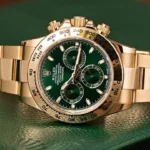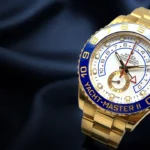
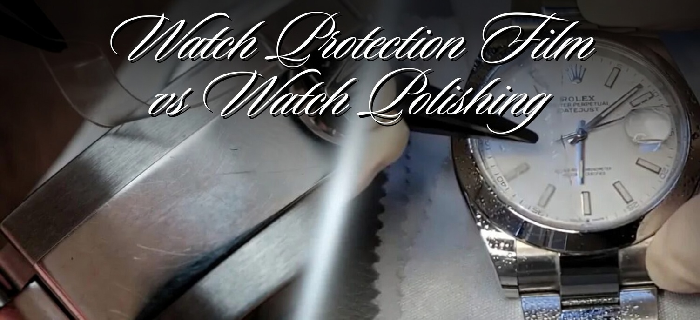
This is one of the most practically important questions in luxury watch ownership, and it deserves a direct, honest answer. In Dubai’s watch ownership community in 2026, there are two primary approaches to managing how a luxury watch looks over time. The first is preventive, applying protection film to stop surface damage from occurring. The second is restorative, sending the watch for professional polishing when scratches have accumulated. Understanding the real difference between these approaches, including what each one actually does to your watch, changes how most informed owners think about the question.
What Polishing Actually Does to a Luxury Watch
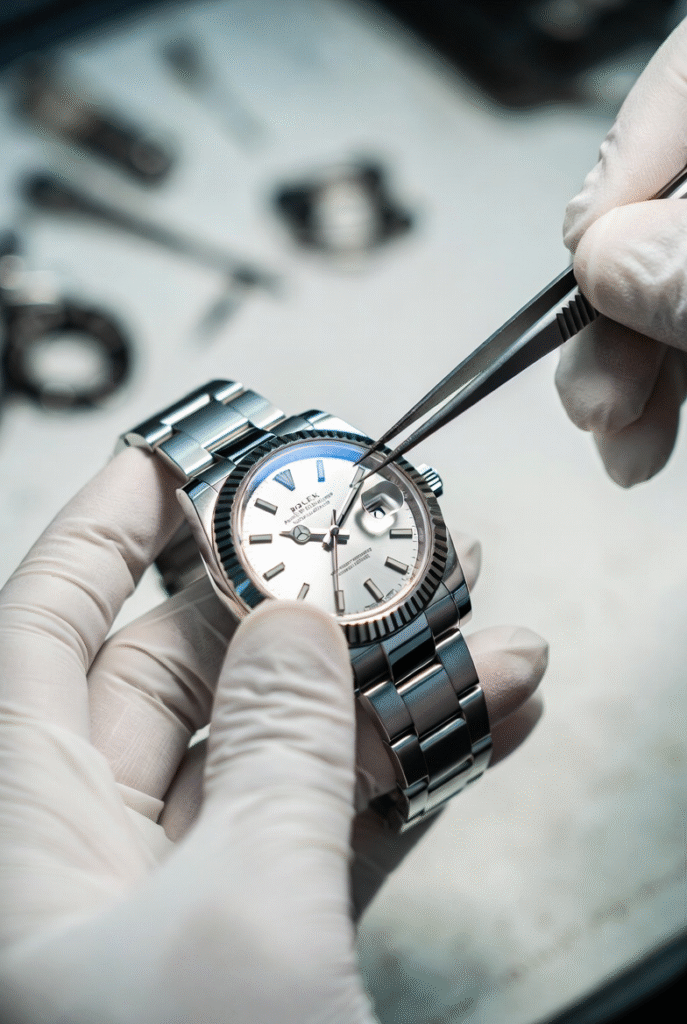
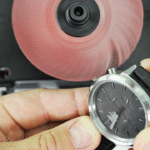
This is the part that many watch owners do not fully understand. Polishing a watch does not clean it or restore a surface to its original state. It removes metal. A polished surface is achieved by abrading the metal with progressively finer compounds until the surface is smooth enough to reflect light uniformly. Every polishing cycle removes a thin layer of the case material.
On a watch case with sharp beveled edges, which is a defining aesthetic feature of references like the Audemars Piguet Royal Oak, Patek Philippe Nautilus, and many Rolex sports models, polishing gradually rounds those edges. After several polishing cycles over years of ownership, a case that left the factory with crisp, sharp architecture develops a slightly softened profile that collectors and the pre-owned market recognize immediately as over-polished. This is a permanent, irreversible change to the watch.
Bracelet links are similarly affected. The tight, precise tolerances of links on a Rolex Jubilee or Oyster bracelet become slightly loosened over repeated polishing, contributing to the bracelet’s stretch that is partially a result of wear but also of metal removal during servicing.
The Position of Rolex, Patek Philippe, and AP on Polishing
It is worth noting that the manufacturers themselves have shifted their communication on this topic. Increasingly, both Rolex’s service documentation and Patek Philippe’s ownership guidance acknowledge that owners who prefer to maintain original finish, including visible patina of wear, should inform the service center to clean without polishing. The original finishing of a watch, particularly for collector references, is now widely understood to be part of the watch’s identity and value, not a defect to be corrected.
This represents a significant shift from the earlier service model, where polishing was automatic. It reflects the maturation of the collector market and the recognition that an original, unpolished surface in any condition is generally more desirable than a polished surface in the pre-owned market.
The Case for Prevention Over Restoration
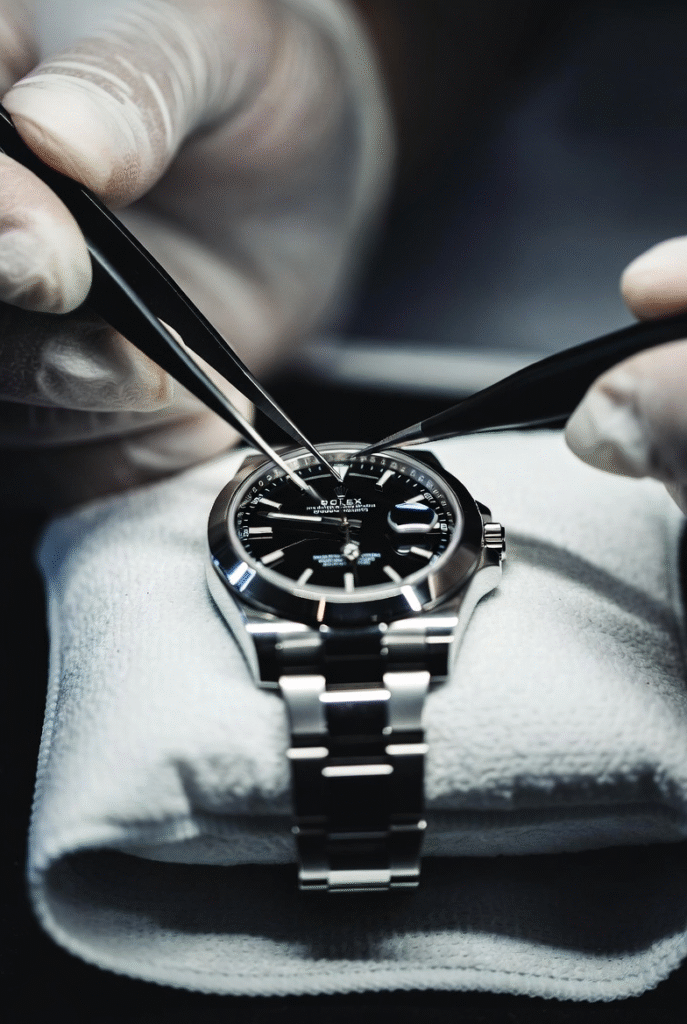
If you understand that polishing removes metal and changes geometry, the case for prevention becomes straightforward. A protective film applied at the time of purchase means the watch surface never accumulates the scratches that create the temptation to polish in the first place. The original brushed or polished factory finish is preserved continuously. When the film reaches the end of its useful life after three to five years and is removed, the surface beneath is in the same condition as when the film was first applied. It can be re-filmed immediately, extending the protection indefinitely.
This is fundamentally different from the polishing cycle, where each restoration accelerates the cumulative metal loss from the next restoration.
When Polishing Is Appropriate
Polishing is appropriate in two situations. The first is when a watch has significant, deep scratches or impact marks that are genuinely beyond what protection film could have prevented, and where the aesthetic impact of those marks is important to the owner. The second is when a watch has been purchased pre-owned and has been polished previously, where the original finish is already altered and re-polishing to a consistent surface is more appropriate than applying film over an inconsistent finish.
The Cost Comparison That Puts It in Perspective
A Rolex service in Dubai, which typically includes polishing, costs between 2,500 and 5,000 AED, depending on the reference and whether bracelet work is required. A protection film kit or professional installation from TPT starts from 450 AED for the kit and 700 AED for professional installation. The cost difference is not even a genuine comparison. The film prevents the need for restoration. And critically, it prevents the permanent, cumulative metal loss that polishing represents. For any Dubai watch owner who thinks about their timepiece as both an object of enjoyment and a financial asset, the priority order between these two approaches is clear.